
Thermodynamics of Biology: The Cold Exposure Guide
Cold exposure is not about mental toughness. It is a precise lever for neurochemical manipulation and metabolic efficiency. When executed correctly, it alters the production of catecholamines, regulates glycemic control, and resets circadian clocks.
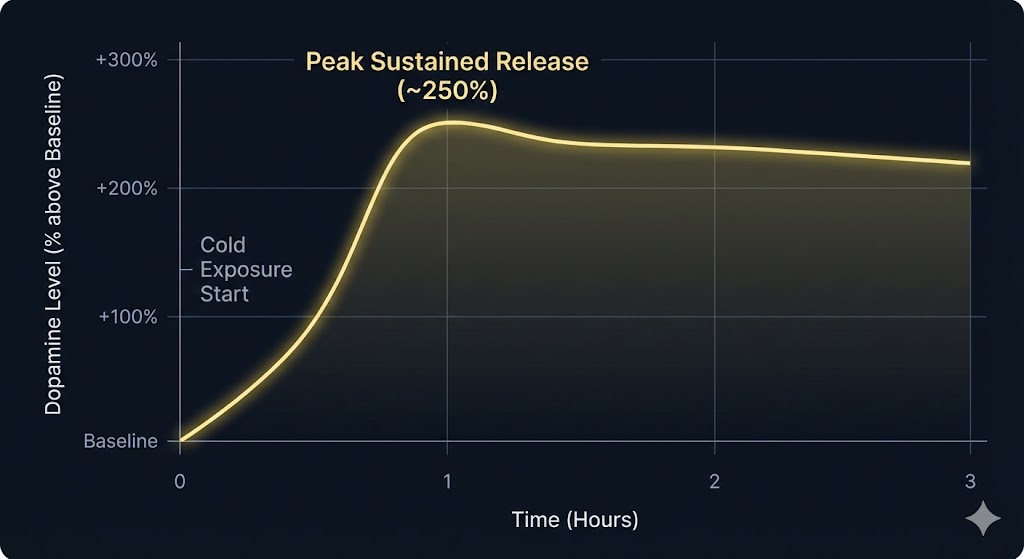
Figure 1: The sustained 250% increase in Dopamine relative to baseline.
1. The Neurochemical Impact
Upon submersion in cold water (approx. 50°F / 10°C), the body activates the "diving reflex." This triggers a massive release of norepinephrine (focus/agitation) and dopamine (drive). Unlike the sharp spike of caffeine or sugar, cold-induced dopamine rises slowly and stays elevated for hours.
This creates a state of "Calm Agitation"—the ideal biological state for deep work and high-output cognitive tasks.
2. Hormones & Metabolism
Cold exposure activates Brown Adipose Tissue (BAT). Unlike white fat (storage), brown fat is a mitochondrial furnace. It burns glucose and white fat to create heat (thermogenesis).
- Insulin Sensitivity: Regular exposure improves how your body processes blood sugar.
- Testosterone: While cold icing the testes is a popular internet trend, the real benefit comes from lowering core body temperature before sleep, which deepens Delta Wave sleep—the primary window for Growth Hormone release.
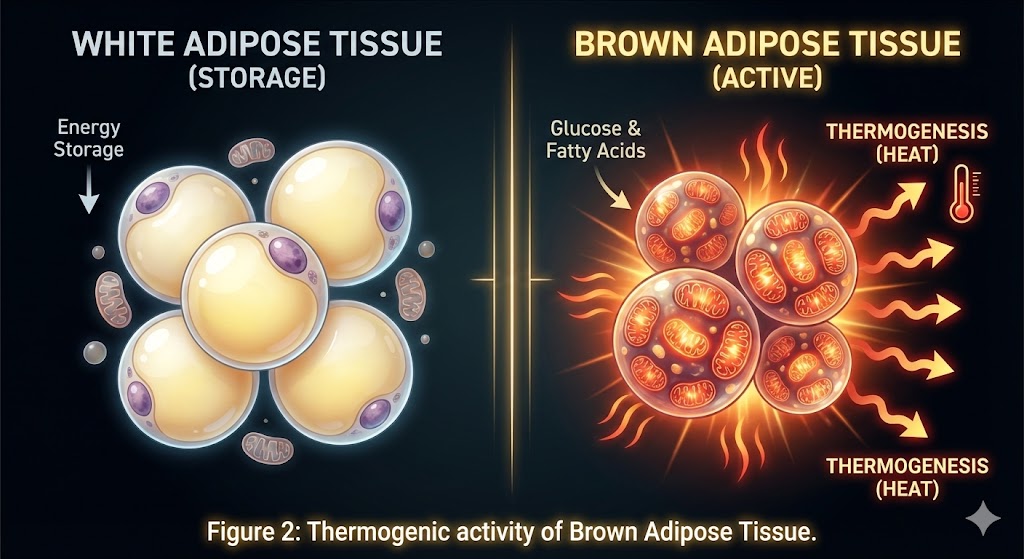
Figure 2: Thermogenic activity of Brown Adipose Tissue.
3. The Hypertrophy Trade-off (Training)
This is where most people fail. Cold exposure is a potent anti-inflammatory. While this sounds good, muscle growth (Hypertrophy) requires acute inflammation to signal repair.
The Fix: Use cold exposure pre-workout (for cooling the core to increase volume capacity) or on rest days/cardio days.
4. The Protocol (Søberg Principle)
Based on the latest data, you do not need to freeze every day. The minimum effective dose is specific:
- Total Duration: 11 minutes per week (divided into 2-4 sessions).
- Temperature: Uncomfortably cold to the point where you want to get out, but safe.
- Ending: End with cold. If you take a warm shower immediately after, you blunt the metabolic effect. Let your body reheat itself naturally (Shivering is good).
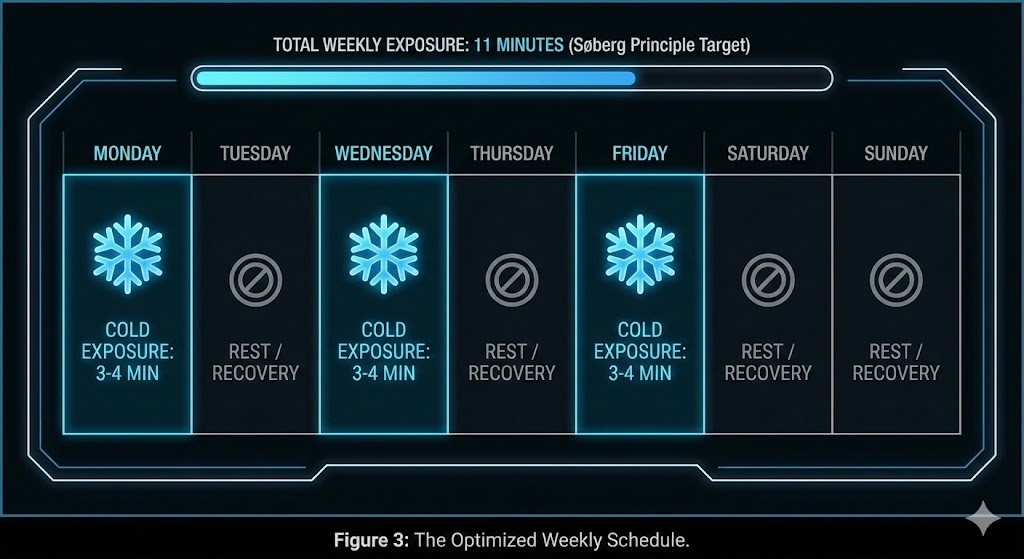
Figure 3: The Optimized Weekly Schedule.