
Smelling Salts: Chemical Triggering of the Sympathetic Drive
Smelling salts (Ammonia Inhalants) are often viewed through the lens of powerlifting subculture. However, the underlying physiology is a masterclass in how localized chemical irritation can be leveraged to override systemic fatigue and maximize motor unit recruitment.
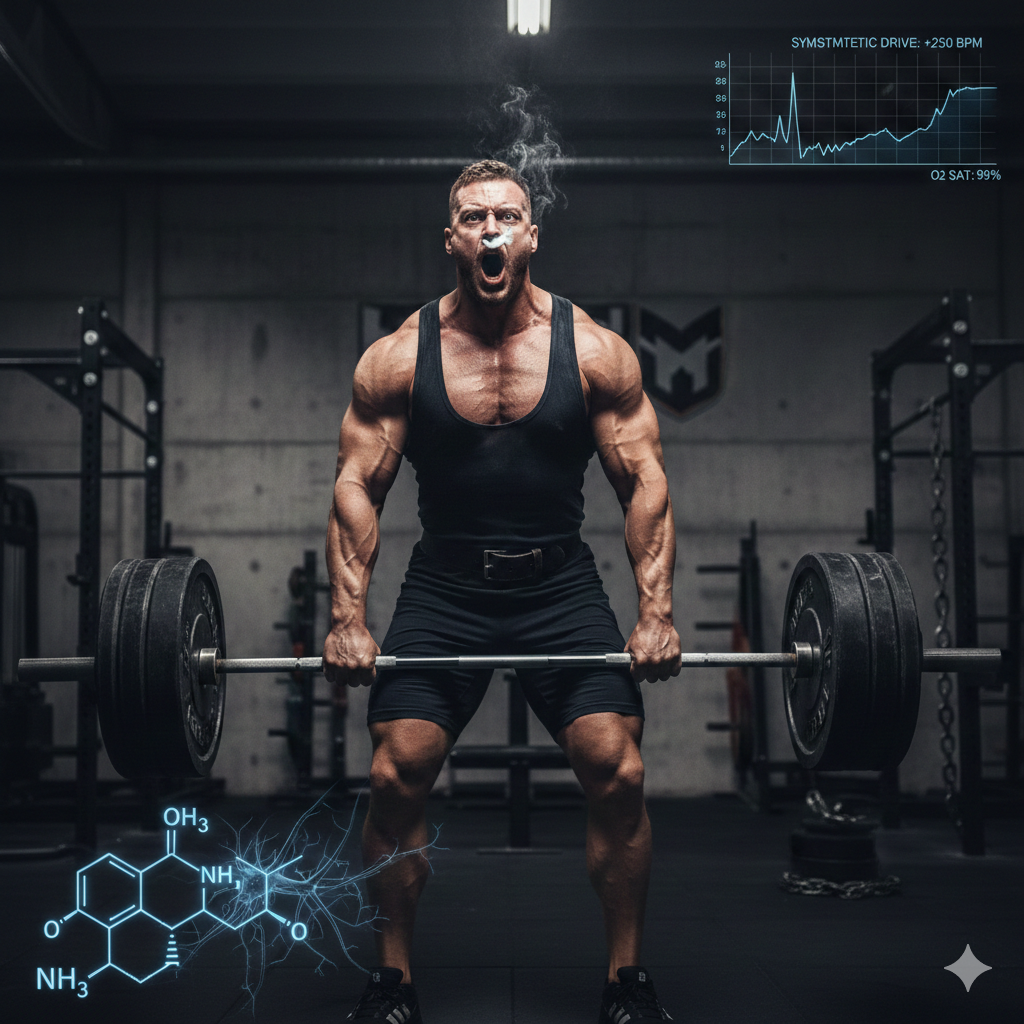
Figure 1: Ammonia's interaction with the Trigeminal Nerve pathway.
1. The Trigeminal Irritation Mechanism
The primary active ingredient is ammonium carbonate. When inhaled, it releases ammonia gas ($NH_3$), which acts as a profound irritant to the membranes of the nose and lungs. This irritation triggers the **Trigeminal Reflex**.
Unlike standard scents that process through the olfactory bulb, ammonia hits the trigeminal nerve, sending an immediate "threat" signal to the brainstem. The result? An instantaneous shift in the autonomic nervous system from a resting state to a state of extreme sympathetic arousal.
2. Respiratory and Circulatory Shift
This localized irritation forces a sudden change in breathing patterns. The body responds with a rapid, deep inhalation, increasing the **Respiratory Exchange Ratio**. This surge in oxygen intake, coupled with an immediate spike in heart rate, prepares the musculoskeletal system for an explosive "fight or flight" event.
3. The Performance Protocol
Smelling salts are a high-leverage tool that can easily be abused. To maintain receptor sensitivity, follow these guidelines:
- The Timing: Use only 15–30 seconds before a maximal effort (1RM attempt or high-intensity cognitive sprint).
- The Distance: Hold the inhalant 4–6 inches from the nostrils. High-concentration ammonia can cause chemical burns to the nasal mucosa if held too close.
- Frequency: Limit use to "Peak" days. Chronic use leads to neurological desensitization, requiring higher concentrations to achieve the same startle response.
4. Recovery and Down-Regulation
Because smelling salts spike norepinephrine so aggressively, the "crash" can be significant. After use, it is critical to perform **Physiological Sighed Breathing** (double inhale, long exhale) to manually re-engage the Parasympathetic Nervous System.